


Want to see your name in major publications? You don’t need thousands of dollars or fancy connections. There’s actually a straightforward way to get genuine media coverage, and I’m going to walk you through exactly how it works.
Why This Actually Works
Here’s the thing most people don’t realize: journalists are constantly scrambling for sources. They’re writing articles on tight deadlines and need expert quotes, insights, and opinions. You have expertise in your field. See where I’m going with this?
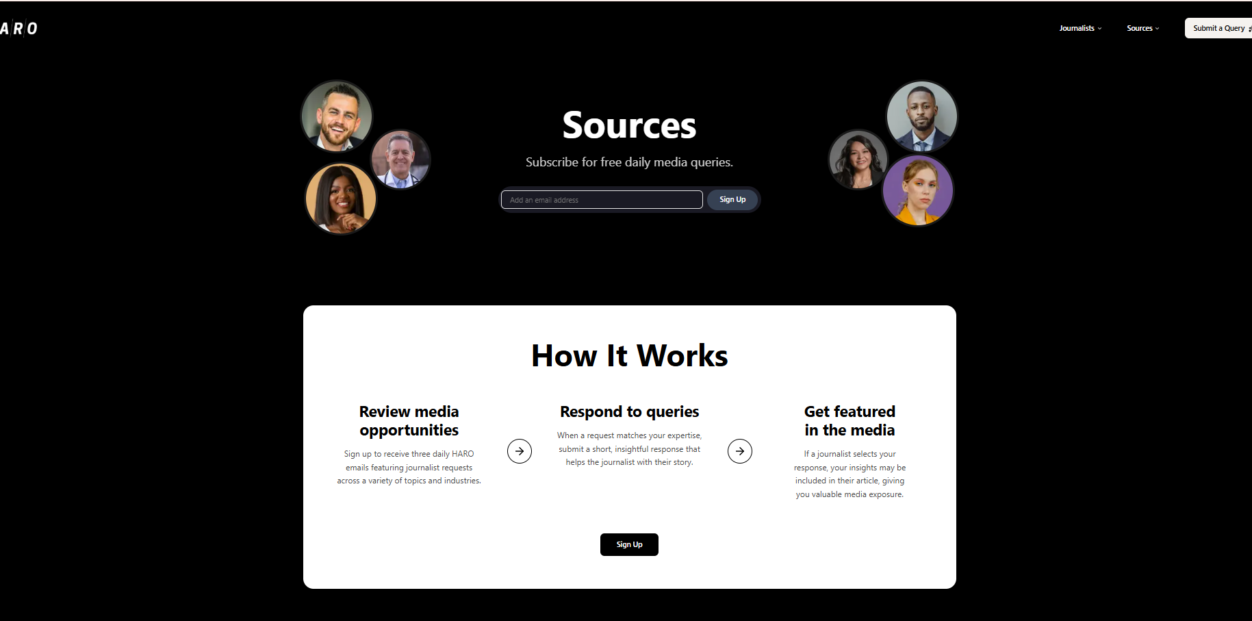
Platforms exist that connect journalists looking for sources with professionals who can help them. It’s basically a matchmaking service for media coverage, and yes, it’s completely free.
Getting Set Up
First, you’ll want to sign up for one of these journalist-source matching platforms. HARO is the most popular one, but there are others. Registration takes about five minutes and costs nothing.
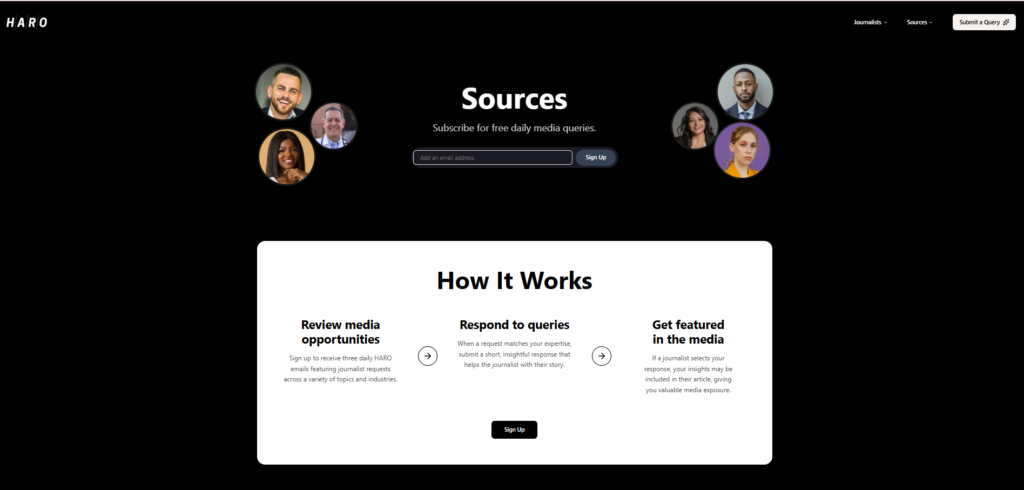
Once you’re in, you’ll start getting emails with journalist requests. These usually come three times a day, packed with opportunities from reporters working on everything from tech articles to lifestyle pieces.
Making This Part of Your Routine
Here’s where most people fail: they sign up with big plans, then forget to actually check the emails. Don’t be that person.
Set up daily reminders for yourself or whoever on your team will handle this. I’m talking actual calendar alerts, because these opportunities move fast. Journalists often need responses within 24 hours, sometimes less.
Picking the Right Opportunities
You’ll get way more requests than you can possibly answer. That’s fine. In fact, that’s good.
Scroll through and only respond to queries where you genuinely have something valuable to say. If a journalist is asking about social media marketing and that’s your specialty, great. If they’re asking about cryptocurrency and you know nothing about it, skip it.
The temptation is to respond to everything hoping something sticks. Resist that urge. Journalists can smell a generic response from a mile away.
Writing Responses That Actually Get Used
When you find the right opportunity, your response needs to be good. Not long—good. Most journalists want a few sentences or a short paragraph, not an essay.
Get straight to the point. Answer their specific question with something concrete and interesting. Use real examples from your experience. Skip the fluff and promotional language.
Think about what would make you want to quote someone if you were writing the article. That’s your bar.
Hitting Send
Once you’ve written something solid, send it off. Double-check that you’ve followed any specific instructions they mentioned (word count, format, deadline).
Proofread it. Seriously. A typo won’t always disqualify you, but why risk it?
The Reality Check
Let me be honest: you’re probably not getting featured on your first try. Or your second. Maybe not your tenth.
This isn’t a get-rich-quick scheme. It’s a numbers game combined with quality. The more good responses you send, the better your odds. Some people land their first feature in a week. Others take months. Both outcomes are normal.
The key is staying consistent without burning out. Find a rhythm that works for you.
When They Want More
Sometimes a journalist will email back asking for clarification or additional details. When this happens, drop everything and respond quickly.
These follow-up conversations are gold. You’re building a real relationship with someone who might quote you in future articles without you even having to pitch them.
Stick With It
The people who succeed with this approach are the ones who make it a habit. They check requests regularly, send thoughtful responses, and don’t get discouraged when they don’t hear back.
Think of it like planting seeds. Most won’t sprout, but the ones that do can grow into something significant.
The Payoff
When you finally land that first feature, it’s a rush. Your name in a real publication, positioned as an expert in your field. No invoice from a PR firm. No expensive agency retainer.
That clip becomes part of your credibility. You can share it, reference it, and use it to open doors. And once you’ve done it once, doing it again gets easier.
Bottom Line
Free press coverage is absolutely possible if you’re willing to put in consistent effort. Sign up for the platforms, make checking requests part of your daily routine, and send quality responses to the opportunities that fit your expertise.
It won’t happen overnight, but it will happen. And when it does, you’ll have earned media coverage that money literally can’t buy—because it’s based on your actual knowledge and value, not a paid placement.
That’s the kind of credibility that actually moves the needle for your brand.